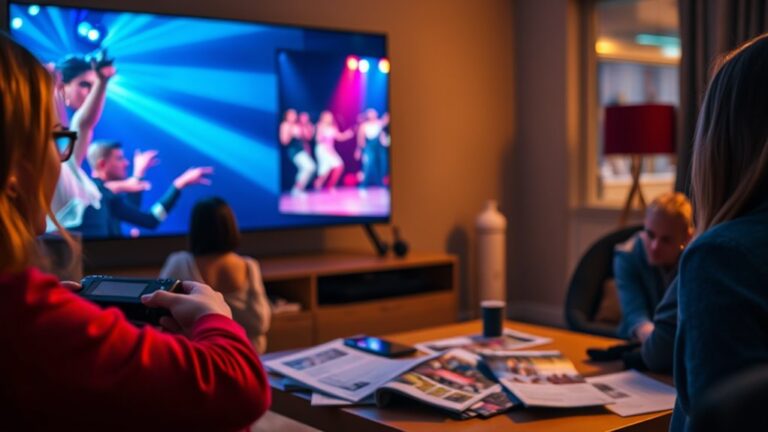

This year's dance scene has emerged as a lively convergence of innovation and cultural narratives. The rise of virtual experiences and advanced streaming platforms has transformed audience engagement, as social media propels emerging choreographers into the spotlight. Notable performances, such as Amara Chen's fusion of traditional Asian dance with contemporary elements, captivate audiences with depth and storytelling. Festivals like the Edinburgh Festival showcase an array of styles and encourage community connections. As traditional forms blend with modern techniques, the future promises continued evolution in expression and audience interaction, inviting a deeper exploration of these dynamic trends and influences.
Major Dance Trends of 2023
In 2023, the dance landscape is characterized by a dynamic fusion of styles and the integration of technology, reflecting broader cultural shifts and artistic experimentation. One of the most notable trends is the rise of virtual dance experiences, which have transformed how audiences engage with performance art. The advent of advanced streaming platforms and immersive technologies has allowed choreographers to reach global audiences, enabling real-time interaction and participation from viewers. This trend not only democratizes access to dance but additionally encourages a diverse array of interpretations and styles, breaking down geographical barriers.
Additionally, social media choreography continues to gain momentum, particularly among younger generations. Platforms like TikTok and Instagram serve as lively stages for emerging choreographers and dancers to showcase their work, often leading to viral trends that amplify visibility and popularity. This phenomenon has created a new ecosystem where choreography is not just performed but shared, reinterpreted, and remixed. The immediacy of social media nurtures a culture of collaboration and innovation, as dancers engage with each other in real-time, sharing techniques and ideas that inspire new movements.
Furthermore, the blending of different dance genres—such as hip-hop, contemporary, and traditional forms—reflects a broader cultural synergy. As artists explore these hybrid styles, they challenge conventional notions of dance, inviting audiences to appreciate the fluidity and adaptability of the art form. To conclude, 2023 presents a rich mosaic of dance trends, firmly rooted in technology and interconnectivity, shaping the future of this expressive medium.
Influential Dance Artists
The lively dance scene of 2023 has been greatly shaped by a diverse array of influential artists who push the boundaries of movement and expression. These creators are not only redefining traditional dance forms but also integrating experimental styles that challenge conventional norms. Their innovative approaches often draw inspiration from a multitude of global influences, reflecting an increasingly interconnected world.
One prominent figure is choreographer Amara Chen, whose work blends traditional Asian dance with contemporary techniques. Chen's performances highlight the fluidity of movement and the strength of storytelling, showcasing how cultural narratives can be expressed through dance. Another key artist, Malik Reyes, has captivated audiences with his urban dance style that incorporates elements from hip-hop, ballet, and street dance. Reyes emphasizes the importance of community in his choreography, creating pieces that resonate with a broad spectrum of viewers.
The influence of these artists extends beyond the stage, inspiring a new generation of dancers to explore their creative boundaries. Workshops and collaborations have become common, nurturing an environment where experimental styles thrive. Artists are increasingly experimenting with technology, integrating digital media, and interactive elements into their performances, thereby enhancing audience engagement.
As we reflect on the influential dance artists of 2023, it is evident that their contributions have enriched the dance environment. Their ability to weave together various cultural threads and innovative practices guarantees that the dance scene remains lively and dynamic, paving the way for future explorations in movement and expression.
Breakthrough Choreographies
Breakthrough choreographies are reshaping the terrain of dance by integrating innovative movement techniques that challenge traditional forms. These works often reflect diverse cultural influences, providing a rich fabric of expression that resonates with a global audience. Notable collaborations among artists further raise these pieces, nurturing an environment of creativity that pushes the boundaries of the art form.
Innovative Movement Techniques
Choreography has evolved dramatically over the years, with innovative movement techniques redefining the boundaries of dance. This year, the integration of contact improvisation and body percussion has emerged as a significant trend, enriching the dance lexicon and offering fresh perspectives regarding physical expression.
Contact improvisation, rooted in the principles of weight sharing and spontaneous movement, encourages dancers to explore their bodies in relation to one another. This technique cultivates a deep sense of connection, allowing for a fluid exchange of energy and ideas. Dancers engage in a conversation through movement, often leading to unexpected and exhilarating outcomes.
Body percussion, conversely, transforms the human body into an instrument. By utilizing claps, snaps, and stomps, dancers create intricate soundscapes that complement their movements. This innovative approach not only improves the auditory experience of a performance but likewise reinforces the visual dialogue within the choreography.
Together, these techniques challenge traditional notions of rhythm and connection, inviting audiences to witness the dynamic interplay between sound and movement. As choreographers continue to experiment, the dance scene thrives on the possibilities that these innovative methods present.
Cultural Influences Explored
Drawing from diverse cultural backgrounds, contemporary choreography has increasingly embraced elements that reflect global influences, leading to groundbreaking works that resonate with a wider audience. This year showcased a remarkable trend in dance fusion, where choreographers interwove various global traditions to create innovative performances that challenge conventional boundaries.
One significant example is the integration of African, Asian, and Latin dance forms into mainstream choreography. This blending not just highlights the unique characteristics of each style but also nurtures a sense of unity among performers and audiences. Choreographers are now more attuned to the cultural narratives that inform these dance forms, allowing for deeper emotional expression and storytelling.
Moreover, this cultural exploration has encouraged dancers to expand their technical vocabularies, adopting movements that reflect the richness of their sources. The result is an electrifying array of performances that celebrate diversity during maintaining a cohesive artistic vision. By honoring the roots of these global traditions, contemporary choreographers are not merely borrowing but are engaging in a meaningful dialogue that raises the art form, ensuring its evolution in a swiftly changing world.
Notable Collaborations Highlighted
This year's dance environment has been greatly enriched by notable collaborations that push the boundaries of artistic expression. These collaborative projects have not only highlighted the talents of individual artists but have additionally cultivated innovative approaches to choreography. One standout example is the partnership between contemporary choreographer Amina Torres and classical ballet virtuoso David Chen. Their work intertwines the precision of ballet with the fluidity of modern dance, resulting in a breathtaking synthesis that captivates audiences.
Another remarkable collaboration is between urban dance collective Street Pulse and renowned composer Elena Reyes. This artistic partnership has yielded a series of performances that blend dynamic street dance with live orchestral music, creating a visceral experience that transcends traditional genre boundaries. Such collaborations highlight the importance of cross-disciplinary interactions, where diverse backgrounds and styles converge to create something truly groundbreaking.
As we reflect on this year's dance scene, it is clear that these notable collaborations have sparked creativity and redefined the arena of choreography. By embracing diverse influences and nurturing artistic partnerships, dancers are paving the way for new forms of expression that resonate deeply with audiences worldwide.
Festivals and Events Highlights
The dance scenery is enriched by a variety of major festivals and events that showcase exceptional talent and creativity. Highlighting notable performances from these gatherings reveals the dynamic range of styles and innovations present in contemporary dance. This section will explore the key festivals and the standout acts that have made a significant impact this season.
Major Dance Festivals
Major dance festivals serve as lively showcases of artistic expression, bringing together diverse styles and cultures from around the globe. These events not only highlight the talents of performers but also promote community engagement and cultural exchange. Festival experiences are improved by workshops, discussions, and performances that invite global participation, allowing attendees to immerse themselves in the art form.
To illustrate the impact and variety of major dance festivals, consider the following table:
| Festival Name | Location |
|---|---|
| Edinburgh Festival | Scotland |
| Jacob's Pillow Dance | Massachusetts, USA |
| International Dance Festival | Seoul, South Korea |
| Sydney Festival | Australia |
Each festival offers a unique platform for artists to showcase their work, whereas audiences benefit from exposure to innovative choreography and diverse dance forms. The collaborative atmosphere encourages dialogue and creativity, enriching the overall festival experience. As we reflect on this year's dance scene, it is evident that these festivals are crucial in promoting artistic diversity and nurturing connections across cultures.
Notable Performances Spotlight
Remarkable performances at major dance festivals captivate audiences and improve the art form, showcasing the creativity and skill of dancers from various backgrounds. This year, several standout performances highlighted the emergence of new talents, bringing fresh perspectives to traditional and contemporary styles alike.
At the International Dance Festival, a poignant piece by an up-and-coming choreographer captivated the audience, blending classical ballet with urban influences. This innovative fusion not only displayed the technical prowess of the performers but also sparked conversations around the evolution of dance. Performance critiques from industry experts praised the emotional depth and originality, emphasizing the significance of supporting emerging talents in the field.
Similarly, the Annual Contemporary Dance Showcase presented a series of performances that challenged conventional narratives. One particular piece, characterized by its intricate choreography and gripping storytelling, received acclaim for its bold exploration of social themes. Critics noted the seamless execution and the dancers' ability to connect with the audience on a profound level.
These festivals serve as crucial platforms for artists, allowing them to experiment and grow as they provide audiences with memorable experiences that celebrate the dynamic nature of dance.
Street Dance Innovations
Innovation in street dance has become a defining characteristic of the genre, as dancers continually push the boundaries of movement and expression. This year has seen remarkable advancements in urban dance, characterized by the fusion of traditional street styles with contemporary influences. Dancers are not just refining their techniques but are also exploring new choreography challenges that inspire creativity and individuality.
Freestyle battles have emerged as a prominent platform for showcasing these innovations. Participants engage in high-stakes competitions that emphasize originality and improvisation, compelling dancers to enhance their craft. Moreover, community workshops have gained traction, promoting collaboration among dancers of diverse backgrounds. These gatherings serve as essential spaces for knowledge exchange, encouraging younger generations to learn from seasoned artists, thereby promoting youth empowerment.
The influence of social media trends cannot be underestimated, as platforms like TikTok and Instagram amplify emerging styles and techniques. Dancers are leveraging these platforms to share snippets of their performances, which often go viral, leading to widespread recognition and participation in dance competitions. This digital environment accelerates the dissemination of new ideas, allowing for rapid evolution within the street dance community.
Ultimately, the innovations in street dance this year illustrate a lively culture that thrives on creativity and collaboration. As dancers continue to redefine their art form through various mediums, the genre remains a significant vehicle for self-expression and social connection, reflecting the dynamic nature of urban life.
Contemporary Ballet Developments
The evolution of contemporary ballet has mirrored the innovations seen in street dance, as both genres increasingly embrace interdisciplinary approaches and collaborative practices. This year, contemporary ballet has witnessed a surge in modern interpretations that challenge traditional boundaries, allowing for a more nuanced dialogue with other dance forms. Choreographers are now experimenting with fusion styles, blending classical ballet techniques with elements from hip-hop, jazz, and even martial arts, creating a rich mosaic of movement that speaks to diverse audiences.
One prominent trend is the incorporation of technology in choreography and performance. Dancers utilize multimedia elements, such as projections and digital soundscapes, to augment the narrative and emotional depth of their pieces. This synthesis of technology and movement not only captivates the audience but also reflects contemporary society's relationship with digital culture.
Moreover, contemporary ballet companies are increasingly prioritizing inclusivity and representation. The casting of diverse dancers and the exploration of various cultural narratives are reshaping the artistic environment, encouraging a broader comprehension of what ballet can embody. Choreographers are drawing from global influences, resulting in works that resonate with a multitude of experiences and backgrounds.
As contemporary ballet continues to evolve, it remains a crucial platform for innovation and expression. The fusion of modern interpretations with traditional elements not only honors the roots of ballet but also propels it into the future, ensuring its relevance in an ever-changing dance scene.
Cultural Influences on Dance
Cultural influences play a significant role in shaping dance forms around the world, reflecting the diverse histories, traditions, and social contexts from which they arise. Traditional dance styles often encapsulate the essence of regional cultures, serving as a medium for cultural storytelling and heritage preservation. These global traditions have evolved through centuries, adapting to societal changes and embracing new ideas, thereby enriching their artistic expressions.
In recent years, dance fusion has gained prominence, as artists blend regional styles with contemporary movements, resulting in innovative performances that resonate with broader audiences. This cross-genre influence is particularly notable in urban dance forms, where hip-hop, jazz, and even classical elements intermingle, creating a dynamic art form that speaks to contemporary social movements.
Moreover, the integration of music plays an essential role in these cultural exchanges. The rhythmic patterns, melodies, and instruments used in various cultures inform the movement vocabularies of dancers, creating a harmonious relationship between sound and motion. Dance activism has likewise emerged, using performance as a platform for social change, addressing issues such as inequality and injustice, and drawing from historical contexts that highlight the struggles and triumphs of marginalized communities.
As dance continues to evolve, its ability to reflect and respond to cultural influences remains significant. The ongoing dialogue between tradition and innovation guarantees that dance entertains but also serves as a potent vehicle for expression and cultural comprehension in our increasingly interconnected world.
Audience Engagement and Reactions
Engagement between performers and audiences plays a crucial role in the overall impact of dance, particularly as cultural influences shape both the art form and its reception. This year, various engagement strategies have emerged, enhancing the connection between dancers and their viewers, thereby amplifying the emotional resonance of performances.
One notable trend is the use of interactive elements within performances. By inviting audience members to participate, whether through movement, clapping, or vocal responses, choreographers have created an atmosphere of shared experience. This not only heightens audience reactions but likewise cultivates a sense of community, making the performance feel more inclusive and personal.
Additionally, social media has transformed how audiences engage with dance. Many companies leverage platforms like Instagram and TikTok to share behind-the-scenes content, allowing fans to feel connected to the dancers and the creative process. This pre-performance engagement often sparks heightened anticipation and investment, leading to more enthusiastic reactions during live shows.
Moreover, post-performance discussions, whether through Q&A sessions or audience feedback forums, have become invaluable for promoting dialogue between artists and their viewers. These interactions yield insights into audience perceptions and preferences, allowing performers to adapt their engagement strategies for future productions.
Ultimately, the success of any dance performance hinges on the quality of engagement between artists and audiences. By embracing innovative strategies and encouraging genuine audience reactions, performers can create memorable experiences that resonate long after the curtain falls.
Future of Dance in 2024
Anticipating the future of dance in 2024 reveals a dynamic environment shaped by technological advancements and evolving artistic expressions. As we navigate this new terrain, we can expect a significant integration of virtual reality (VR) into dance, transforming both performance and audience engagement. VR offers immersive experiences that allow dancers to explore innovative choreography and create environments that transcend traditional stage limitations. This technology not only improves visual storytelling but also invites audiences to participate in a multi-sensory experience, further blurring the line between performer and observer.
Moreover, the field of dance therapy is set to flourish in 2024, capitalizing on the growing awareness of mental health and wellness. Dance therapy, which uses movement to support emotional and psychological healing, stands to benefit from advancements in both technology and research. Practitioners may increasingly incorporate digital tools, such as apps or online platforms, to reach wider audiences and provide accessible therapeutic interventions.
Additionally, collaboration among diverse artistic disciplines will likely intensify, promoting interdisciplinary projects that combine dance with visual arts, music, and technology. This synergy will encourage new forms of expression and broaden the appeal of dance as an art form.
Frequently Asked Questions
How Can I Get Involved in My Local Dance Community?
To get involved in your local dance community, start by attending community events that showcase various dance styles. These gatherings often provide opportunities to connect with fellow enthusiasts and professionals. Furthermore, consider enrolling in classes at local studios to improve your skills and meet like-minded individuals. Volunteering at events or joining dance groups can further immerse you in the community, nurturing relationships and creating a supportive network of dancers.
What Resources Are Available for Aspiring Dancers?
Aspiring dancers have access to various resources to improve their skills and pursue their passion. Dance scholarships provide financial support for talented individuals seeking formal education in dance. Moreover, numerous training programs are available, ranging from local studios to prestigious institutions, offering specialized instruction in various styles and techniques. Engaging in these resources not solely promotes skill development but likewise connects dancers with professionals and peers in the lively dance community.
Are There Online Dance Classes Available for Beginners?
Yes, there are numerous online dance classes available particularly designed for beginners. These virtual dance platforms offer structured lessons that focus on fundamental techniques, allowing newcomers to build a strong foundation in various dance styles. Participants can access instructional videos and live sessions, enabling them to practice beginner techniques at their own pace. This accessibility promotes an inclusive environment for aspiring dancers to develop their skills and gain confidence through engaging online experiences.
What Are the Health Benefits of Dancing Regularly?
Dancing regularly offers numerous health benefits, considerably enhancing cardiovascular health by elevating heart rate and improving circulation. This aerobic activity strengthens the heart and reduces the risk of chronic diseases. Furthermore, dance promotes mental wellness, acting as a natural stress reliever. The combination of physical movement and rhythmic expression encourages emotional release and boosts mood, contributing to overall psychological well-being. Engaging in dance can therefore serve as a holistic approach to maintaining both physical and mental health.
How Can Dance Influence Personal Development and Confidence?
Dancing delivers delightful dimensions of personal development. Through rhythmic movements, individuals reveal self-expression benefits that nurture emotional resilience. Engaging in dance cultivates confidence, allowing participants to embrace their identities and showcase their uniqueness. The supportive environment of dance encourages collaboration and community, further enhancing self-esteem. As individuals navigate complex choreography and performance settings, they not just hone physical skills but additionally develop a stronger sense of self and resilience in the face of challenges.
About the Author