
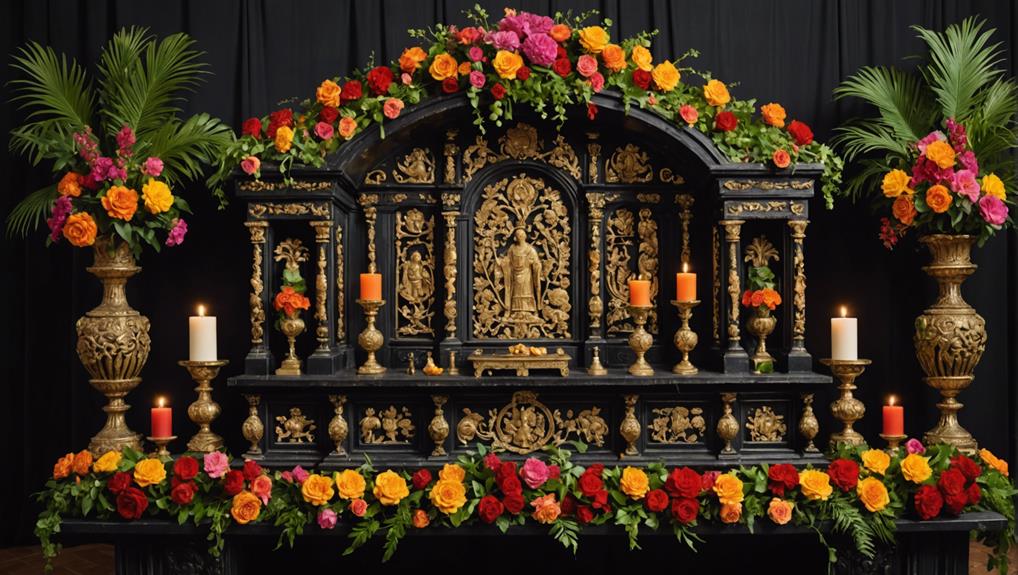
We're stepping into the vibrant world of 18th-century Mexican art, where indigenous, European, and African influences merged to create a unique cultural fusion. At the Met Fifth Avenue, we're exploring "Painted in Mexico 1700-1790: Pinxit Mexici," an exhibit that takes us on a journey through the country's rich artistic heritage. We'll uncover the era's bold colors, ornate details, and rebellious spirits that defined the art of New Spain. As we venture deeper, we'll discover the subtle ways Mexican identity shines through in the art, and the way it captures the daily life and cultural tensions of colonial Mexico. There's more to uncover, and we're just getting started.
The Art of New Spain
As we explore the artistic landscape of New Spain, we find ourselves surrounded by a vibrant tapestry of creative expression, where indigenous and European influences intertwine to forge a unique visual identity. This cultural fusion is particularly evident in the domain of Catholic Iconography, where traditional Christian imagery is infused with local flavors. We see this in the works of artists like Juan Correa, whose Virgin of Guadalupe (c. 1700) blends European devotional art with indigenous symbolism.
The artistic production of New Spain was also deeply tied to Imperial Ambitions. The Spanish crown's desire to assert its dominance over the New World led to a proliferation of grandiose art and architecture, often featuring elaborate ornamentation and dramatic lighting. This is exemplified in the majestic altarpieces of José de Ibarra, whose ornate wooden carvings and gilded details evoke a sense of awe and reverence.
As we explore further into the art of New Spain, we begin to appreciate the complex interplay between colonial power structures and local artistic traditions. The resulting visual language is at once familiar and strange, speaking to the complex cultural dynamics at play in this pivotal moment in Mexican history.
Mexican Identity on Display
By the mid-18th century, we're witnessing a deliberate articulation of Mexican identity through art, as local artists begin to counterbalance European influences with a reinvigorated sense of national pride. This shift is evident in the works on display, where we see a blending of cultural traditions, giving rise to a unique cultural fusion. As we explore the art of this era, we're struck by the emphasis on historical roots, which serves as a proof of the country's rich ethnic heritage.
Through the artistic voice of these local masters, we're treated to a visual narrative that's distinctly Mexican. This collective memory, woven into the fabric of each piece, speaks to the social hierarchy of the time, with its complex web of indigenous, European, and African influences. As we investigate further into this visual narrative, we're struck by the emergence of a distinct national identity, one that proudly asserts its uniqueness while remaining deeply rooted in its historical context.
In this remarkable collection, we're witnessing the birth of a new artistic language, one that's both a reflection of the past and a beacon for the future. It's an identity forged through the fusion of diverse cultural traditions, giving rise to a unique Mexican voice that resonates with national pride. As we gaze upon these masterpieces, we're reminded that art has the power to shape our understanding of ourselves and our place within the world.
A Glimpse of Colonial Life
As we explore the world of colonial Mexico, we're about to get a fascinating glimpse into the daily lives of its people. We'll examine portraits that reveal the intricacies of daily life, from the bustling streets of cities to the quiet rhythms of rural towns. By looking at these contrasting environments, we'll gain a deeper understanding of the complexities of colonial life.
Daily Life Portraits
We glimpse the quiet intimacy of colonial life in the daily life portraits of 18th-century Mexico, where artists captured the subtleties of everyday existence with remarkable precision. These portraits offer a unique window into the daily routines and social hierarchies of the time. Servant portraits, for instance, showcase the often-overlooked lives of those who toiled behind the scenes, providing a glimpse into the intricate web of relationships between masters and servants. Aristocratic scenes, on the other hand, reveal the lavish lifestyles of the elite, complete with ornate furnishings, fine clothing, and extravagant jewelry. Through these portraits, we catch a glimpse of the intricate social dynamics at play, where wealth, status, and power intersected in complex ways. By examining these daily life portraits, we gain a deeper understanding of the intricate tapestry that was colonial Mexican society.
Urban Vs. Rural
How did the contrasting environments of urban and rural settings shape the lives of colonial Mexicans, influencing everything from their daily routines to their social interactions? As we investigate the world of 18th-century Mexico, we find that the urban-rural divide played a significant role in shaping the lives of its people. Urban centers, like Mexico City, were hubs of commerce, innovation, and cultural exchange, whereas rural areas were often characterized by agricultural practices and traditional ways of life.
| Aspect | Urban | Rural |
|---|---|---|
| Economy | Commerce, trade | Agriculture, livestock |
| Social Structure | Hierarchical, cosmopolitan | Close-knit, traditional |
| Architecture | Urban planning, grid system | Organic, scattered settlements |
| Culture | Multicultural, cosmopolitan | Indigenous, traditional |
| Lifestyle | Fast-paced, dynamic | Slow-paced, rural |
Regional tensions arose from the differing priorities and values of urban and rural populations. Urban planning, for instance, was a key concern for city dwellers, while rural communities focused on agricultural productivity. As we explore the art and literature of the time, we'll see how these contrasting environments influenced the daily lives and social interactions of colonial Mexicans.
Intersections of Culture and Art
In the vibrant cultural landscape of 18th-century Mexico, artistic innovation thrived at the crossroads of indigenous, European, and African influences. As we explore the world of Mexican art during this period, we're impressed by the dynamic intersection of cultures and artistic styles. This cultural fusion gave rise to a unique visual heritage, one that blended the traditions of the Old and New Worlds.
As we investigate the artistic identity of 18th-century Mexico, we notice the emergence of a distinct Mestizo aesthetic. This blending of styles resulted in a rich, vibrant art that reflected the complex cultural landscape of the time. We see this fusion in the works of artists like José de Ibarra and Juan Correa, who drew upon European techniques to depict indigenous and Afro-Mexican subjects.
Some key aspects of this cultural fusion include:
- The blending of indigenous and European artistic traditions, resulting in a unique visual language.
- The rise of a distinct Mestizo aesthetic, characterized by vibrant colors and dynamic compositions.
- The influence of African artistic traditions, particularly in the depiction of Afro-Mexican subjects.
- The role of art in shaping a collective identity, one that reflected the complexities of Mexican culture.
As we continue to explore the world of 18th-century Mexican art, we're impressed by the innovative spirit of artists who navigated the intersections of culture and art.
The Met's Curatorial Masterpiece
By the late 20th century, the Metropolitan Museum of Art had amassed a stunning collection of Mexican art from the 1700s, which would eventually become the cornerstone of its curatorial masterpiece. We, as art enthusiasts, have been fortunate enough to witness the Met's dedication to showcasing the rich cultural heritage of Mexico.
The Met's curatorial team has worked diligently to bring this vision to life, maneuvering through the complex landscape of museum politics to secure the necessary resources and support. It's a confirmation of the curator's vision that we can now marvel at the exquisite works on display. The exhibit is a masterclass in storytelling, weaving together the threads of art, history, and culture to create an immersive experience that transports visitors to a bygone era.
As we walk through the galleries, we’re struck by the sheer breadth of the collection, which spans multiple genres and mediums. From the ornate details of colonial-era portraiture to the vibrant colors of folk art, each piece is a window into the soul of Mexico during a transformative period in its history. The Met’s curatorial masterpiece is more than just an exhibit – it’s a celebration of the human spirit, a confirmation of the power of art to transcend borders and boundaries. The exhibit also highlights the diverse cultural influences that have shaped artistic expression, drawing connections between Mexican traditions and global movements. From the rhythmic energy of African American marching bands to the intricate craftsmanship of indigenous artisans, the collection underscores the shared histories and artistic dialogues that unite different communities. Each artwork tells a story, inviting visitors to explore the past while reflecting on the enduring impact of creativity across generations.
Unseen Treasures of the Exhibit
We uncover hidden gems within the exhibit, works that reveal the intricate nuances of 18th-century Mexican art. As we investigate further into the exhibit, we discover Hidden Masterpieces that were previously unknown to the general public. These masterpieces, created by Forgotten Artists, showcase the rich cultural heritage of Mexico during the 18th century.
- Unveiling the Unknown: The exhibit features a series of portraits by José de Alcíbar, a lesser-known artist from the time period. His works offer a unique glimpse into the lives of Mexico's elite during the 1700s.
- Forgotten No More: We're introduced to the works of María Josefa Lugo, a female artist who defied societal norms to pursue her passion for art. Her still-life paintings are a confirmation of her skill and creativity.
- A Glimpse into Daily Life: The exhibit showcases a collection of casta paintings, which depict the racial hierarchy of the time. These works provide a fascinating insight into the social dynamics of 18th-century Mexico.
- Revealing the Masters: The exhibit also features works by Miguel Cabrera, a renowned artist of the time. His paintings showcase the intricate details and vibrant colors that define 18th-century Mexican art.
As we explore these Unseen Treasures, we're reminded that there's still so much to discover about Mexico's rich cultural heritage. The exhibit serves as a validation of the power of art to reveal hidden stories and uncover forgotten histories.
Artistic Expressions of the Era
As we explore further into the artistic landscape of 18th-century Mexico, we're impressed by the diverse range of artistic expressions that define the era. The artistic scene was a vibrant tapestry of styles, influences, and innovations that reflected the cultural melting pot of New Spain. One of the most striking aspects of this era is the prevalence of Baroque influences, which manifest in the dramatic lighting, intense emotions, and ornate details that characterize many of the works on display. However, alongside these European influences, we also see an Artistic Rebellion of sorts, as Mexican artists pushed against the boundaries of traditional representation to forge a unique visual language.
We witness this rebellion in the bold use of color, the experimentation with composition, and the incorporation of indigenous motifs and symbols. Artists like José de Ibarra and Juan Correa, for example, blended European techniques with native sensibilities to create works that were both familiar and innovative. Their innovative spirit, coupled with the cultural exchange and cross-pollination that defined the era, gave rise to a distinctively Mexican style that was both of its time and ahead of its time. As we investigate further into this fascinating era, we're struck by the sheer creativity and artistic genius that defined the artistic expressions of 18th-century Mexico.
Colors of a Complex Heritage
Through the vibrant hues of 18th-century Mexican art, we uncover the complex heritage of a nation, where indigenous, European, and African influences intertwined. As we explore the colors of this rich cultural tapestry, we find ourselves immersed in a world of vibrant pigments, where reds, blues, and yellows tell a story of Colonial Syncretism. This unique blend of influences gave birth to a distinct Cultural Chromatics, one that continues to fascinate and inspire us today.
As we investigate the colors of this complex heritage, we discover:
- Indigenous Roots: Earthy tones and natural dyes, reminiscent of the rich soil and vibrant flora of Mexico's native lands.
- European Elegance: The introduction of ultramarine blue and crimson red, hallmarks of European artistic traditions.
- African Rhythms: The vibrant, dynamic patterns and colors inspired by African cultural heritage.
- Mexican Mosaic: A kaleidoscope of colors, blending the best of each cultural influence to create a unique and enchanting visual identity.
Through these colors, we gain a deeper understanding of the complex heritage of Mexico, a nation forged from the intersection of diverse cultures. As we gaze upon the vibrant hues of 18th-century Mexican art, we are reminded of the power of art to capture the essence of a people and their story.
Frequently Asked Questions
Are All the Artworks in the Exhibit From the Met's Permanent Collection?
We're curious about the origins of the artworks on display. Are they all from the Met's permanent collection? The answer is no. The curator's vision for this exhibit was to fill collection gaps, so they borrowed pieces from other institutions and private collectors. This collaboration allowed for a more extensive showcase of Mexican art from the 18th century. By doing so, we get to see a more complete picture of this fascinating period in art history.
Can I Take Photographs of the Artworks in the Exhibit?
As we step into the exhibit, the vibrant colors and masterful brushstrokes transport us to a world of artistic wonder. But before we get too caught up in the beauty, a practical question lingers: can we capture the magic through our lenses? The answer is yes, but with some caveats. Non-flash photography is permitted, but we must be mindful of camera restrictions. So, let's snap away – discreetly, of course – and immortalize these breathtaking works of art.
Are There Any Interactive Displays or Activities for Children?
We're excited to explore the exhibit with our little ones! Yes, there are interactive displays and activities designed specifically for kids. Our young artists will love the Art Scavenger hunt, where they can search for hidden art elements. Meanwhile, Creative Corners offer hands-on art-making experiences, allowing them to express their own creativity. We can't wait to see their imaginations come alive!
Are There Guided Tours Available for the Exhibit?
As we weave through the exhibit's intricate tapestry, we're excited to uncover the secrets hidden within. Luckily, guided tours are available to illuminate our journey! We can breathe a sigh of relief, knowing that tour logistics are carefully curated to guarantee a seamless experience. With expert guides, we'll navigate the museum's labyrinthine halls with ease, unraveling the mysteries of Mexican art.
Will the Exhibit Travel to Other Museums or Cities After the Met?
We're curious about the exhibit's future plans too! After its run at The Met, we're wondering if it'll travel to other museums or cities. As we explore the exhibition logistics, we're excited to learn that cultural exchange is a key goal. The organizers are indeed planning to share this stunning collection with a broader audience, taking it to other cities and museums. Stay tuned for announcements on the exhibit's next stops!
About the Author


