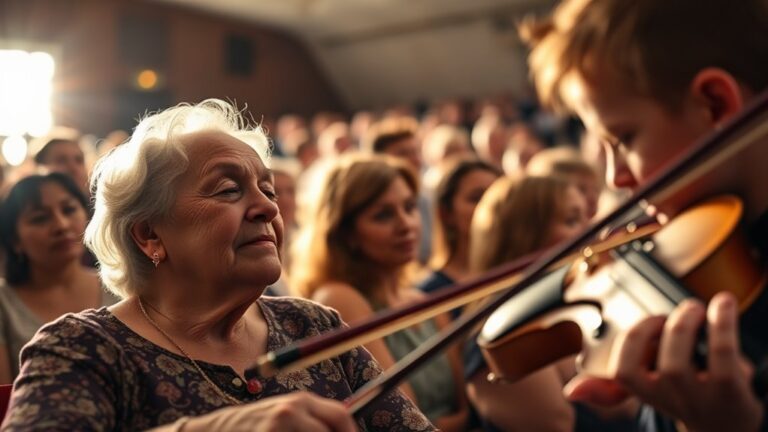

At an opera performance, you can expect a stunning mix of music, drama, and visual spectacle that draws you into the story. The venue's intimate atmosphere amplifies your connection with fellow audience members, creating a sense of community. You'll be captivated by impactful vocal performances and intricate orchestral arrangements that tell a tale filled with emotion. Costumes and set designs add depth, immersing you in the characters' world. Remember to arrive on time and silence your phone to respect the artistry unfolding before you. There's so much more to discover about the opera experience waiting for you.
The Venue Atmosphere
When you step into an opera house, you're often greeted by an atmosphere unlike any other. The moment you walk through the doors, you're enveloped by an intimate ambiance that invites you to leave the outside world behind. The soft glow of chandeliers casts a warm light, creating a sense of comfort and connection among the audience. You can feel the excitement in the air, as fellow opera-goers share knowing smiles and whispers about the evening ahead.
As you take in your surroundings, you'll notice the grand architecture that defines the space. High ceilings adorned with intricate details, sweeping staircases, and plush velvet seating all contribute to a feeling of opulence. This architectural beauty not only improves your experience but additionally reminds you that you're part of something larger—a shared appreciation for the arts that has brought you and others together.
Finding your seat, you may catch a glimpse of the stage, where the magic will soon unfold. The anticipation builds as the lights dim, and you can sense the collective breath of the audience. In that moment, you realize you're not just an observer; you're part of a community, united by a love for storytelling through music and performance. The opera house isn't just a venue; it's a sanctuary for connection, creativity, and shared emotions, making every visit a cherished experience that you'll want to repeat.
Opera Synopsis Overview
As the lights dim and the audience settles, you'll soon discover that each opera performance tells a unique story, woven together through music, lyrics, and dramatic presentation. The synopsis of an opera serves as your roadmap, guiding you through the intricate narrative filled with emotions and transformations.
In the realm of opera, the aria structure plays an essential role in character development. You'll notice how each aria presents a moment of introspection, allowing characters to reveal their deepest feelings and desires. These solo performances provide an enthralling break in the action, drawing you in as the singer pours their heart into the music. You'll find that these arias are not just beautiful melodies; they're significant moments that deepen your connection to the characters.
As you follow the storyline, pay attention to how the plot unfolds through various acts. Each scene builds on the last, revealing layers of conflict, love, or tragedy. You'll see characters evolve, often facing challenges that test their resolve and relationships. This dynamic development is what makes opera so engaging; you're not just observing a story, you're part of it.
Understanding the Music
Immerse yourself in the rich fabric of music that defines opera, where every note and harmony contributes to the emotional scenery of the story. As you listen, you'll discover how the melodic structure weaves together themes and emotions, pulling you deeper into the narrative. Each aria and orchestral interlude is crafted to resonate with the characters' feelings, allowing you to connect on a personal level.
Pay attention to the thematic motifs that recur throughout the performance. These motifs often represent specific characters or ideas, helping you to comprehend the underlying emotions and conflicts. When you hear a motif reappear, it's like a familiar friend greeting you, reminding you of the expedition you've shared with the characters.
The music in opera isn't just an accompaniment; it's a formidable storyteller in its own right. The interplay between the orchestra and the singers creates a dynamic experience, where the music can uplift, provoke, or even bring you to tears. You might find yourself swaying to the rhythm or feeling a chill as the music swells during a pivotal moment.
As you sit in the audience, let the melodies wash over you. Embrace the way the music amplifies the drama unfolding on stage, and let it guide your emotions. Comprehending the music enriches your opera experience, allowing you to feel a sense of belonging within this beautiful art form. It's not just a performance; it's an invitation to connect with the heart of the story.
Vocal Techniques and Styles
How do vocal techniques shape the opera experience? The magic of opera often lies in the stunning vocal performances that captivate your heart and imagination. Comprehending the operatic techniques used by singers can improve your appreciation of the art form. These techniques raise the emotional impact, allowing you to connect deeply with the characters and their stories.
Here are some key elements you might notice during a performance:
- Vocal Resonance: Singers project their voices without microphones, using their bodies as instruments to amplify sound.
- Breath Control: Perfecting breath techniques enables singers to hold long notes and deliver forceful phrases.
- Vibrato: This technique adds richness and warmth to the voice, creating a dynamic emotional effect.
- Diction: Clear articulation allows the audience to grasp the lyrics, drawing you further into the narrative.
- Dynamics: Skilled singers vary their volume to express different emotions, improving the drama of the performance.
When you experience these vocal techniques in action, you'll feel the depth of the characters' emotions and the intensity of the story being told. The combination of vocal resonance and operatic techniques creates an atmosphere that's both exhilarating and intimate, making you feel like a part of something grand. So, as you sit back and enjoy the performance, let the voices wash over you and transport you into a world where every note tells a story.
Costume and Set Design
When you step into an opera, the costume and set design immediately grab your attention and help tell the story. You'll notice how historical accuracy plays an essential role in immersing you in the realm of the characters. This visual storytelling not merely improves the narrative but likewise deepens your overall experience as an audience member.
Visual Storytelling Techniques
In opera, costume and set design come together to bring the story to life, enhancing the emotional impact of the performance. You'll notice how every detail contributes to the narrative pacing and character symbolism, drawing you deeper into the world on stage.
Here are some visual storytelling techniques you can expect:
- Color Palette: Colors evoke emotions and set the mood. For instance, warm tones can signify passion, whereas cool hues may represent sadness.
- Costume Details: Each character's attire reveals their status, personality, and expedition. You might find intricate designs that tell a backstory without a word.
- Set Design: The backdrop mirrors the emotional scenery of the story, transforming with each act to reflect changes in tone and tension.
- Lighting: Strategic lighting creates atmosphere and highlights key moments, guiding your focus toward the heart of the drama.
- Props: Everyday objects can serve as symbols, enriching the narrative and adding layers to the characters' experiences.
Historical Accuracy in Design
What makes historical accuracy in costume and set design so crucial to an opera performance? When you step into the realm of opera, you want to be transported to another time and place. Achieving this requires a sharp attention to historical context and design accuracy. Costumes and sets that reflect the period of the story help you connect with the characters and their emotions, making the experience more immersive and authentic.
Imagine witnessing a grand opera set in the Renaissance; the intricate details of the costumes and the opulent design of the stage can evoke the spirit of that era. When designers commit to historical accuracy, they create a visual panorama that resonates with you and amplifies the narrative. It's not just about looking pretty; it's about creating an emotional bridge between you and the story being told.
Moreover, these thoughtfully crafted designs cultivate a sense of belonging among the audience. You're not just a spectator; you're part of a shared experience that celebrates the rich fabric of history. So, next time you attend an opera, pay attention to the subtle cues in costume and set design—they're key to revealing the magic of the performance.
Impact on Audience Experience
There's something magical about how costume and set design can transform your opera experience. When you step into the theater, the lively colors, intricate details, and lavish textures come together to create an immersive experience. You're not just watching a performance; you're transported to another realm, where every element works to deepen your emotional engagement.
Consider how these aspects improve your experience:
- Authenticity: Costumes reflect the time period, drawing you into the story.
- Symbolism: Every outfit tells a story, adding layers to character development.
- Visual Harmony: Sets and costumes are designed to complement one another, creating a cohesive aesthetic.
- Emotional Resonance: The right design can evoke feelings of joy, sadness, or nostalgia.
- Engagement: A visually stunning production invites you to focus more deeply on the narrative.
Together, these components create a sense of belonging, making you feel part of something larger. When you immerse yourself in the realm of opera, you're not just an observer—you become a participant in a shared emotional experience that resonates long after the final curtain falls.
The Role of the Orchestra
When you settle into your seat at an opera performance, the orchestra plays a fundamental role in bringing the story to life. It's not merely background music; it's the heartbeat of the entire production. The orchestra dynamics create an emotional scenery that helps you connect deeply with the characters and their paths. As the overture begins, you might feel the excitement building, setting the stage for what's to come.
The conductor holds a unique influence over the orchestra, guiding the musicians to match the ebb and flow of the opera's emotional highs and lows. Their movements are like a dance, shaping the sound to amplify the drama unfolding on stage. You'll notice how the conductor's cues lead to intense crescendos or delicate whispers, allowing you to feel every nuance of the performance.
As you listen, you might find yourself swept away by the harmony and richness of the instruments, from the soaring strings to the bold brass. Each section contributes its own texture, creating a fabric of sound that immerses you in the story. The orchestra's presence not only supports the singers but likewise intensifies the overall experience, helping you to feel as if you're part of something larger.
Audience Etiquette Essentials
When attending an opera, it's important to keep some etiquette fundamentals in mind. Arriving on time, dressing appropriately, and silencing your phone can improve the experience for everyone. These simple actions help maintain the atmosphere and respect the performers on stage.
Arriving On Time
Arriving on time is crucial for enjoying an opera performance fully. When you make punctuality a priority, you respect the artists, the audience, and yourself. Getting to the venue early allows you to settle in and soak up the atmosphere. Here are some key points to contemplate regarding arrival logistics:
- Plan Your Route: Check traffic and parking options ahead of time.
- Arrive Early: Aim to get there at least 30 minutes before the show starts.
- Find Your Seat: Locate your section and seat without rushing.
- Silence Your Phone: Confirm your devices are off to avoid distractions.
- Enjoy Pre-Show Activities: Explore the venue, grab a program, or chat with fellow opera lovers.
Dress Appropriately
Dressing appropriately for an opera performance not solely improves your experience but furthermore reflects respect for the art form and your fellow audience members. You want to feel connected to the occasion, and the right attire helps create that atmosphere. Think of opera fashion as a way to express your appreciation for the performance and those around you.
When selecting your outfit, consider the venue's ambiance. Many operas lean toward formal or semi-formal attire, so dressing up is often the way to go. A cocktail dress or a suit can make you feel part of the elegance that fills the hall. If you're unsure, take a look at what other attendees are wearing, or check the venue's guidelines for dressing tips.
Accessorizing can improve your look—think statement jewelry or a stylish scarf. Don't forget about comfortable shoes; you'll want to enjoy the performance without worrying about sore feet. By dressing appropriately, you not only improve your experience but contribute to the collective enjoyment of the evening. So, embrace the opportunity to don your best attire and feel the magic of the opera together with everyone else.
Silence Your Phone
Before the curtain rises, ensuring your phone is silenced is crucial for maintaining the serene atmosphere of the opera. Nothing disrupts the experience more than unexpected audience distractions, like ringing phones. By practicing good phone etiquette, you help create an immersive environment for everyone.
Here are a few simple tips to keep in mind:
- Silence your phone: Set it to silent mode before the performance starts.
- Turn off vibrations: Even vibrations can be distracting to those around you.
- Avoid using your phone: Refrain from texting or scrolling during the show.
- Leave it in your bag: Keep your phone tucked away to resist the temptation.
- Respect the performers: Remember, they're pouring their hearts into the performance, and your focus should be on them.
Language and Subtitles
Comprehending the language of an opera can improve your experience, especially since many performances are sung in foreign languages like Italian, French, or German. The beauty of opera lies not just in the music but likewise in the words. Nevertheless, if you're not fluent in these languages, you might worry about missing important plot points or emotional nuances.
That's where subtitle accessibility comes into play. Most modern opera houses provide subtitles, allowing you to follow along with the story, even though you don't understand the original opera language. Here's a quick look at how subtitles enrich your experience:
| Language | Benefits of Subtitles | Tips for Enjoyment |
|---|---|---|
| Italian | Captures the romance and emotion | Focus on the performance |
| French | Adds a layer of drama | Embrace cultural nuances |
| German | Offers depth and intensity | Listen for musical cues |
When you have access to subtitles, you can immerse yourself fully in the performance without the language barrier holding you back. You'll start to appreciate the intricate storytelling and emotional depth that opera offers. So, don't shy away from a foreign language performance; instead, lean into the experience with the help of subtitles. You'll find yourself not just watching but truly feeling the opera, connecting with the performers, and sharing in the collective experience with fellow audience members. Enjoy the magic that unfolds!
Pre-Show Activities and Programs
Before the curtain rises, you can explore the lobby for interesting exhibits and displays that enrich your comprehension of the opera. Don't miss the pre-performance talks, where you'll get insights into the storyline and music. There are likewise interactive activities that let you engage with the art form in a fun way.
Lobby Exhibits and Displays
As you step into the opera house, the spirited lobby buzzes with anticipation, showcasing a variety of exhibits and displays that enrich your experience. This colorful space often features unique lobby art that reflects the spirit of the performance you're about to see. Each exhibit invites you to immerse yourself in the realm of opera, connecting you with fellow enthusiasts.
You'll likely encounter:
- Interactive displays that let you explore the opera's themes
- Artistic installations inspired by the production's story
- Costume showcases highlighting the creative process
- Photo opportunities to capture your night out
- Informative panels explaining the history behind the performance
These exhibit themes cultivate a sense of community, allowing you to share your thoughts and excitement with others. Engaging with these displays not merely improves your comprehension of the opera but additionally helps you feel like part of something bigger. So, take your time in the lobby, absorb the art around you, and connect with those who share your passion. This pre-show experience is just the beginning of your unforgettable night at the opera!
Pre-Performance Talks
Gathering in the theater's intimate space, you'll find pre-performance talks that improve your comprehension and enjoyment of the opera. These insightful discussions are crafted to enrich your experience and create a deeper connection with the art form. Before the curtain rises, you'll hear from knowledgeable speakers who share valuable pre-performance insights about the opera's themes, characters, and historical context.
This engaging format promotes audience engagement, allowing you to participate in a shared expedition with fellow opera lovers. You'll discover fascinating background stories that breathe life into the performance, making it more relatable and enjoyable. As you listen, you might even find your own thoughts and feelings reflected in the discussion, creating a sense of belonging within the community of attendees.
These talks often include Q&A sessions, giving you the chance to ask questions and share your curiosity. By attending, you're not just a passive observer but an active participant in the opera experience. So, arrive early and immerse yourself in these enriching pre-performance talks that will heighten your appreciation for the art of opera.
Interactive Activities for Guests
At an opera performance, interactive activities for guests set the stage for an engaging experience that goes beyond the music. These pre-show programs invite you to explore the realm of opera, nurturing a sense of community and connection among fellow attendees. You'll find that audience participation makes the event feel even more special.
Here are some interactive activities you might enjoy:
- Interactive Workshops: Get hands-on with singing or acting workshops led by professionals.
- Meet-and-Greet Sessions: Chat with cast members and learn about their experiences.
- Behind-the-Scenes Tours: Explore the venue and discover the magic that happens offstage.
- Q&A Panels: Engage with directors and musicians to deepen your comprehension of the production.
- Themed Photo Booths: Capture memories with fun props and backdrops related to the opera.
Participating in these activities not just improves your appreciation for the performance but additionally creates lasting connections with others who share your passion. So, arrive early and immerse yourself in the opera community—there's so much waiting for you!
Post-Performance Reflections
After the final curtain falls, a sense of reflection often washes over you, inviting deeper contemplation of the performance. You may find yourself processing the emotions stirred by the music, the storyline, and the stunning visuals. It's a moment to connect with your own feelings and thoughts, to feel part of a larger community that shares in this unique experience.
As you step out of the opera house, consider the audience reactions around you. Were people laughing, crying, or sitting in stunned silence? These collective emotions can enrich your comprehension of the piece, reminding you that art is a shared expedition. Take a moment to jot down your personal reflections. What resonated with you? What questions linger in your mind?
Here's a simple table to help you organize your thoughts:
| Aspect of Performance | Your Reaction | Thoughts for Next Time |
|---|---|---|
| Music | ||
| Storyline | ||
| Visuals | ||
| Performers' Acting | ||
| Overall Experience |
Engaging in this kind of reflection can deepen your appreciation for opera and improve your future visits. Remember, every performance is an opportunity for personal growth and connection. You belong to a community that values these shared moments, and your reflections contribute to the ongoing dialogue about the beauty of art. Embrace this time to explore your thoughts and feelings, and let them guide you to your next opera experience.
Frequently Asked Questions
What Should I Wear to an Opera Performance?
When you're heading to an opera, you'll want to contemplate the dress code. Most venues encourage formal attire, so think about wearing a suit or an elegant dress. This not merely shows respect for the performers but additionally helps you feel like part of the experience. You'll fit right in with others who appreciate the occasion. Don't stress too much—just aim for classy and comfortable, and you'll shine at the event!
Can I Bring Food or Drinks Into the Venue?
Envision stepping into a world where music dances through the air, but you can't bring your favorite snacks along for the ride. Most venues have strict food restrictions, so it's best to check their policies before you arrive. Although it's tempting to munch during the performance, you'll find that savoring the experience without distractions is what truly connects you to the magic of the opera. So, leave the snacks at home and embrace the show!
How Long Do Opera Performances Typically Last?
Opera performances typically last around two to four hours, depending on the specific production. You'll often experience an intermission that usually ranges from 15 to 30 minutes, giving you a chance to stretch your legs and chat with fellow attendees. Embracing the full opera duration can be a wonderful way to connect with the music and the story, creating a shared experience that deepens your appreciation for this enchanting art form.
Are Children Allowed at Opera Performances?
Yes, children are often allowed at opera performances, but it's crucial to take into account the age recommendations and children's etiquette. Most venues suggest that kids aged six and older can enjoy the experience, especially if they can sit quietly and appreciate the show. You'll want to make sure they understand how to behave in such settings, so everyone can enjoy the performance together. Taking your child to an opera can be a delightful bonding experience!
Is Photography Permitted During the Show?
Photography during the show often isn't allowed, especially flash photography. It's essential to respect the etiquette guidelines of the venue. Flash can disturb performers and fellow audience members. If you want to capture memories, check if the venue allows photos during intermissions or in designated areas. Embracing these rules helps everyone enjoy the performance, creating a shared experience where you feel like you truly belong in the enchanting world of opera.
About the Author