
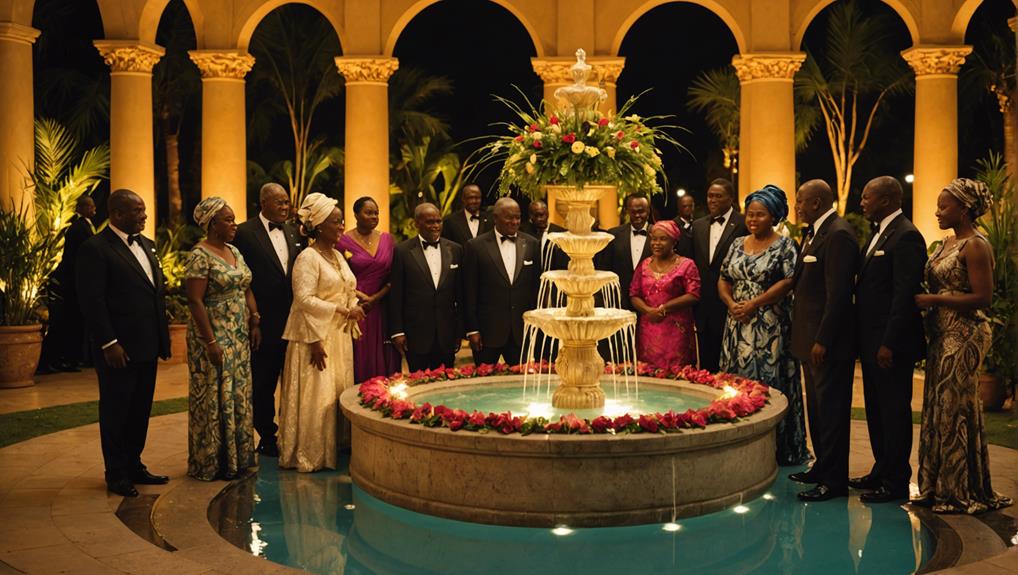
Face Africa's annual WASH Gala sheds light on the crucial reality that millions of Liberians lack access to basic necessities like clean water, sanitation, and hygiene, perpetuating a cycle of poverty and poor health. The crisis is severe, with 65% relying on contaminated water sources and 80% lacking proper toilet facilities. The organization's initiatives aim to empower communities through hygiene education and infrastructure development. By providing clean water and sanitation, Face Africa works to break the cycle of poverty and create a brighter future for Liberians. As the organization continues its essential work, a healthier, more prosperous society comes into view.
Clean Water for All Liberians
About 65% of Liberians rely on contaminated water sources, putting millions at risk of waterborne diseases. This alarming reality highlights the urgent need for enhancement in Liberia's water quality. The lack of access to clean water is a fundamental barrier to freedom, as it hinders individuals from reaching their full potential. In Liberia, the struggle for clean water is a daily reality, with millions forced to rely on contaminated sources.
The Liberian infrastructure is in dire need of reconstruction to guarantee that clean water reaches every corner of the country. The current state of the water supply system is inadequate, leading to frequent shortages and contamination. This has devastating consequences, as waterborne diseases spread rapidly, claiming lives and stifling economic growth. The Liberian government must prioritize investment in its water infrastructure to ensure that every citizen has access to clean water.
Improving water quality is vital to unlocking Liberia's full potential. It's essential to recognize that access to clean water is a fundamental human right, and its absence has severe consequences. By investing in Liberia's water infrastructure, the government can create a foundation for sustainable development, improved health outcomes, and economic growth. Liberians deserve the freedom to live healthy, productive lives, and access to clean water is a critical step towards achieving this goal.
Sanitation Crisis in Liberia
Liberia's sanitation crisis is so severe that over 80% of the population lacks access to proper toilet facilities, leaving millions vulnerable to the spread of diseases. This crisis is a stark reminder of the Liberian infrastructure's failures, and the government's lack of accountability to its citizens. The consequences are dire: open defecation, contaminated water sources, and the spread of waterborne diseases like cholera and typhoid fever.
The situation is dire, and the imagery is striking:
- Overflowing latrines: in urban slums, where waste flows freely, creating a toxic environment for residents.
- Polluted rivers: where raw sewage and industrial waste flow, threatening the health of those who depend on them for drinking water.
- Makeshift toilets: constructed from scraps of wood and corrugated iron, offering little protection from the elements or prying eyes.
The Liberian government must take immediate action to address this crisis. It's time for accountability and tangible solutions, not just promises and platitudes. The people of Liberia deserve better. They deserve a future where access to basic sanitation is a fundamental right, not a privilege reserved for the few. The Face Africa WASH Gala is a call to action, a reminder that the time for change is now.
The Importance of Hygiene Education
By promoting good hygiene practices through education, Liberia can empower its citizens to take control of their health, breaking the cycle of disease and poverty that perpetuates the sanitation crisis. This is particularly essential in a country where inadequate sanitation infrastructure and lack of access to clean water have led to the spread of waterborne diseases.
Education plays a significant role in shaping personal habits, which in turn influence cultural norms. By teaching children and adults alike the importance of handwashing, proper toilet use, and menstrual hygiene, Liberia can instill good hygiene practices that will last a lifetime. This, in turn, can help reduce the incidence of diseases, improving overall health and well-being.
Moreover, hygiene education can help challenge existing cultural norms that perpetuate unhealthy practices. For instance, in some Liberian communities, open defecation is a common practice due to a lack of access to proper sanitation facilities. Through education, individuals can learn about the risks associated with open defecation and adopt safer, healthier alternatives. By promoting good hygiene practices, Liberia can create a culture of health, empowerment, and freedom from the grip of poverty and disease.
Face Africa's Impact Since 2009
Since 2009, Face Africa has been instrumental in driving positive change in Liberia, implementing innovative sanitation solutions and promoting hygiene education to empower communities. The organization's Founding Story is one of passion and dedication, driven by the desire to bring basic necessities to those who need them most.
Over the years, Face Africa has experienced remarkable Organizational Growth, marked by significant Milestone Achievements. The organization’s Annual Reports showcase its commitment to transparency and accountability, highlighting the impact of its programs on the lives of Liberians. Through strategic partnerships and community-driven initiatives, Face Africa has expanded its reach, providing sustainable clean water solutions to underserved regions. Its efforts have gained international recognition, with team members attending global events such as the Met Museum Face Dynasty Exhibition to exchange ideas and inspire further change. Looking ahead, the organization remains dedicated to empowering communities and fostering long-term development across Liberia.
Some notable achievements include:
- Improved access to clean water: Face Africa has installed over 100 wells and latrines, providing thousands of people with access to clean water and sanitation.
- Empowered communities: The organization's hygiene education programs have empowered communities to take ownership of their health and well-being.
- Leadership Evolution: Face Africa's leadership has evolved to meet the changing needs of the organization, ensuring that its mission remains focused on delivering sustainable solutions.
Through its work, Face Africa has demonstrated its commitment to creating a Liberia where everyone has access to basic necessities like clean water, sanitation, and hygiene education. As the organization continues to grow and evolve, one thing remains clear: its dedication to empowering Liberian communities will remain unwavering.
WASH Initiatives in Rural Areas
Face Africa's WASH initiatives in rural areas focus on improving rural water access, which is essential for the well-being of local communities. In these areas, access to clean water is often limited, and Face Africa works to change this reality. Through community hygiene education, Face Africa also empowers rural communities to adopt healthy habits and maintain a clean environment.
Rural Water Access
Rural areas, where approximately 80% of Africans lack access to improved sanitation facilities, are particularly underserved by WASH initiatives. The lack of access to clean water and sanitation facilities is a major obstacle to rural development, perpetuating poverty and limiting opportunities for education, employment, and economic growth.
In rural areas, water access is often limited, and water quality is frequently compromised. This can lead to the spread of waterborne diseases, further exacerbating the cycle of poverty. To address this, WASH initiatives must prioritize infrastructure development, including the construction of wells, boreholes, and piped water supply systems.
Here are three key challenges that WASH initiatives face in rural areas:
- Limited access to funding: Rural areas often lack the financial resources to invest in WASH infrastructure.
- Inadequate infrastructure: Many rural areas lack the basic infrastructure needed to support WASH initiatives.
- Limited human capacity: Rural areas often have limited access to skilled professionals and technical expertise.
Community Hygiene Education
Through community-led hygiene education programs, WASH initiatives in rural areas can empower local residents to take ownership of their health and well-being. By promoting good hygiene practices, these programs can greatly reduce the risk of water-borne diseases and improve overall health outcomes. Additionally, they foster a sense of personal autonomy, allowing individuals to make informed decisions about their health and well-being.
| Program Component | Description | Impact |
|---|---|---|
| Hygiene Education | Teaching good hygiene practices, such as handwashing | Reduces risk of water-borne diseases |
| Community Engagement | Encouraging community involvement in WASH initiatives | Fosters sense of ownership and responsibility |
| Cultural Sensitivity | Adapting programs to local cultural norms and values | Ensures programs are effective and sustainable |
| Behavior Change | Encouraging long-term behavior change through positive reinforcement | Leads to lasting improvements in health and well-being |
The Power of Community Engagement
As the Face Africas Wash Gala highlights the importance of community engagement, it's clear that united efforts can bring about significant change. By building stronger bonds among community members, they're better equipped to tackle WASH challenges together. This collective social impact has the potential to create lasting solutions that benefit entire communities.
United for a Cause
Community engagement has long been the backbone of African societies, where collective efforts have consistently led to meaningful social and economic transformations. This spirit of unity is essential in driving positive change, and Face Africa's Wash Gala is a shining example of this. The event brings together individuals from diverse backgrounds, fostering a sense of community and promoting social responsibility.
Through cultural exchange, the gala provides a platform for people to share ideas, learn from each other, and work together towards a common goal. This collective effort is vital in addressing the basic necessities of communities in need.
Here are three key aspects of community engagement that the gala embodies:
- Shared ownership: Everyone comes together to take ownership of the cause, ensuring its success.
- Mutual respect: Diverse perspectives are valued, and everyone's voice is heard.
- Collective action: By working together, the impact is amplified, leading to tangible results.
Building Stronger Bonds
Face Africa's Wash Gala exemplifies the power of community engagement, fostering a sense of belonging among attendees as they come together to support a shared cause. By building stronger bonds, individuals from diverse backgrounds unite, creating a collective force for change. This shared experience cultivates trust, an essential element in fostering a sense of community.
| Aspect | Importance | Result |
|---|---|---|
| Family Support | Emotional Well-being | Stronger Family Ties |
| Trust Building | Foundation for Growth | Deeper Relationships |
| Collective Effort | Shared Responsibility | Lasting Impact |
Through Face Africa's Wash Gala, attendees experience the transformative power of community engagement. By engaging in open discussions, sharing personal stories, and participating in collective activities, individuals forge lasting bonds. These connections transcend the event itself, as attendees return to their communities, empowered to create positive change. By building stronger bonds, Face Africa's Wash Gala lays the groundwork for a more compassionate, supportive, and united community.
Collective Social Impact
Through collective action, the Wash Gala's community-driven approach sparks a ripple effect, amplifying the impact of individual efforts and fostering a shared sense of responsibility for creating lasting social change. By bringing together individuals and organizations, the Wash Gala promotes social responsibility and community building, demonstrating the power of collective social impact.
Through this collective effort, the Wash Gala:
- Mobilizes resources, providing access to basic necessities like clean water and sanitation for marginalized communities.
- Fosters partnerships, connecting individuals and organizations to amplify their social impact.
- Inspires a sense of ownership, empowering community members to take charge of their own development.
Breaking the Cycle of Poverty
Poverty perpetuates itself in a vicious cycle, entrapping generations in a web of dependence and despair. It's a cycle that's difficult to break, but it's not impossible. Breaking the cycle of poverty requires a multifaceted approach that addresses the root causes of economic inequality.
One of the primary obstacles to overcoming poverty is the lack of social mobility. When people are born into poverty, they often lack access to quality education, job opportunities, and social connections that can help them climb the economic ladder. This perpetuates economic inequality, making it even harder for individuals to escape poverty.
Face Africa's WASH Gala aims to break this cycle by providing access to basic necessities like clean water, sanitation, and hygiene. By providing these essential services, the organization is helping to create an environment that fosters social mobility. When people have access to clean water and sanitation, they're more likely to stay in school, get better jobs, and ultimately, break the cycle of poverty. By addressing the root causes of poverty, Face Africa is paving the way for a brighter future for generations to come.
A Beacon of Hope for Liberia
Liberia, a country ravaged by civil war and plagued by inadequate infrastructure, is finally getting a glimpse of hope. After years of turmoil, the nation is slowly rebuilding, and Face Africa's Wash Gala is playing a significant role in this New Beginning. The gala brings attention to the country's most basic necessities, providing a sense of freedom from the shackles of poverty.
As Liberia rises from the ashes, the Wash Gala's efforts are paving the way for Bright Futures. The organization's focus on providing clean water and sanitation is a beacon of hope for the nation's future. Liberians are no longer forced to rely on contaminated water sources, and instead, have access to clean water, improving their overall health and well-being.
Here are just a few ways Face Africa's Wash Gala is making a difference:
- Renovated schools: Liberian schools are now equipped with clean water and sanitation facilities, providing a safe and healthy environment for students to learn.
- Improved healthcare: With access to clean water, Liberian hospitals are better equipped to treat patients, reducing the risk of waterborne diseases.
- Thriving communities: Clean water has enabled Liberian communities to flourish, with residents no longer forced to spend hours each day collecting water from distant sources.
The Wash Gala's impact is evident, and Liberia is finally experiencing a sense of freedom from the grip of poverty. As the nation continues to rebuild, Face Africa's efforts are paving the way for a brighter, healthier, and more promising future.
The Role of Donors and Partners
Face Africa's Wash Gala relies on the generosity of donors and partners, who are instrumental in fueling the organization's mission to provide clean water and sanitation to Liberian communities. These supporters play an essential role in helping Face Africa achieve its goals, and their contributions are critical to the success of the organization's initiatives.
| Donor/Partner | Funding Strategy | Partnership Model |
|---|---|---|
| The Water Project | Grant-based funding | Collaborative project implementation |
| Liberian Government | Public-private partnership | Joint project planning and execution |
| International NGOs | In-kind donations | Technical assistance and expertise |
Face Africa's funding strategies are diverse and inclusive, ensuring that the organization can respond to the needs of Liberian communities effectively. The organization's partnership models are designed to leverage the strengths of each partner, fostering collaboration and maximizing impact. By working together, Face Africa and its donors and partners can amplify their efforts, driving significant change in Liberia. With the support of its donors and partners, Face Africa can continue to provide clean water and sanitation, empowering Liberian communities to thrive.
Empowering Women and Girls
By providing access to clean water and sanitation, Face Africa's WASH Gala empowers women and girls to pursue education, entrepreneurship, and personal growth, ultimately breaking the cycle of poverty and inequality in Liberian communities.
As women and girls gain access to basic necessities like clean water and sanitation, they're able to redirect their energy towards personal and professional development. This empowerment is vital in Liberia, where women have historically been marginalized and excluded from decision-making processes.
Here are just a few ways that access to clean water and sanitation can transform the lives of women and girls:
- More time for education: Without the burden of walking miles for water, girls can attend school and focus on their studies, paving the way for future leadership roles.
- Increased economic opportunities: With access to clean water and sanitation, women can focus on entrepreneurship, starting businesses and generating income that benefits their families and communities.
- Leadership development: As women gain confidence and skills, they're more likely to take on leadership roles, driving positive change in their communities and beyond.
A Healthy Future for Liberia
As Liberia works towards a healthy future, it's essential to address the country's pressing health challenges, including limited access to quality healthcare. Additionally, education and empowerment are critical components in this pursuit, as they equip individuals with the knowledge and skills needed to make informed decisions about their health. By tackling these interconnected issues, Liberia can create a brighter, healthier future for its citizens.
Liberia's Health Challenges
Liberia's health system has struggled to recover from the devastating effects of the 11-year civil war, leaving the country with a fragile healthcare infrastructure. The war not only destroyed physical infrastructure but also led to a massive brain drain of skilled healthcare professionals. Today, Liberia's health system faces numerous challenges, including inadequate health infrastructure, limited medical research, and a shortage of qualified healthcare workers.
Some of the significant challenges Liberia's health system faces include:
- Inadequate Health Facilities: Many health facilities lack basic equipment, medication, and supplies, making it difficult to provide quality care to patients.
- Limited Medical Research: Liberia lacks a robust medical research program, hindering the development of effective treatments and prevention strategies for diseases.
- Shortage of Healthcare Workers: The country faces a severe shortage of qualified healthcare workers, including doctors, nurses, and other medical professionals.
These challenges have far-reaching consequences, including high infant mortality rates, low life expectancy, and poor health outcomes. Addressing these challenges is essential to improving the health and well-being of Liberians and ensuring a healthy future for the country.
Access to Healthcare
Ensuring access to quality healthcare is imperative for Liberia's future, as a healthy population is essential for the country's economic growth and development. Liberia's health sector faces numerous challenges, including inadequate infrastructure, limited medical supplies, and a scarcity of skilled healthcare professionals. To address these challenges, the Liberian government has been working to improve healthcare infrastructure, increase access to healthcare services, and promote medical tourism. Medical tourism, in particular, has the potential to generate significant revenue for the country while providing quality healthcare services to patients from neighboring countries.
To further improve access to healthcare, the government has also introduced health insurance programs, which enable citizens to access quality healthcare services at an affordable cost. These initiatives aim to reduce healthcare costs, increase healthcare utilization, and ultimately improve health outcomes. By prioritizing access to quality healthcare, Liberia can create a healthier, more productive workforce, driving economic growth and development. As Liberia continues to recover from its health challenges, ensuring access to quality healthcare remains a critical step towards a brighter future for its citizens.
Education and Empowerment
Quality education and empowerment initiatives can unlock Liberia's full potential, nurturing a healthier, more prosperous society where citizens can thrive. By investing in education, Liberia can develop a skilled workforce, equipped to drive economic growth and innovation. This, in turn, can lead to improved healthcare, infrastructure, and overall well-being.
To achieve this vision, Face Africa is committed to:
- Providing access to quality education: Ensuring that Liberian children have the opportunity to develop the skills and knowledge they need to succeed.
- Fostering skill development: Offering training and capacity-building programs that empower individuals to reach their full potential.
- Promoting knowledge sharing: Facilitating the exchange of ideas and expertise between Liberian professionals, entrepreneurs, and innovators.
Frequently Asked Questions
How Does Face Africa Measure the Success of Its WASH Initiatives?
She measures the success of her WASH initiatives by tracking impact metrics, such as the number of people gaining access to clean water and sanitation. Community buy-in is essential, so she also assesses the level of local ownership and engagement. By doing so, she guarantees that her efforts are making a tangible difference, freeing communities from the shackles of water-borne diseases and empowering them to thrive.
What Is the Average Cost of Building a Well in Rural Liberia?
Ironically, the cost of building a well in rural Liberia is a drop in the bucket compared to the wealth of freedom it brings. On average, the construction of a well costs around $15,000 to $20,000. This investment in rural infrastructure is an essential step towards liberating communities from the shackles of water scarcity. By providing access to clean water, Face Africa empowers communities to break free from the cycle of poverty and thrive.
Can Individuals Volunteer With Face Africa in Liberia?
She can volunteer with Face Africa in Liberia, immersing herself in the local culture while making a difference. Face Africa offers volunteer opportunities for individuals to contribute to their mission, providing a unique cultural immersion experience. By volunteering, she'll have the chance to engage with local communities, learn about their way of life, and help bring clean water and sanitation to those in need.
How Does Face Africa Engage With Local Governments in Liberia?
Did you know that 1 in 5 Liberians lack access to clean water? Face Africa engages with local governments in Liberia through strategic Government Partnerships, ensuring that their water, sanitation, and hygiene (WASH) initiatives align with national priorities. Through Local Engagement, they foster collaborative relationships with local authorities, empowering communities to take ownership of their development. By working together, Face Africa and local governments can create lasting change, bringing freedom from waterborne illnesses and promoting overall well-being.
Are Donations to Face Africa Tax-Deductible in the United States?
She confirms that donations to Face Africa are indeed tax-deductible in the United States. As a registered 501(c)(3) organization, Face Africa guarantees compliance with US tax laws. When making a donation, donors receive official donation receipts, which can be used to claim deductions on their tax returns. This allows individuals to support Face Africa's mission while also benefiting from tax savings, promoting freedom of choice in charitable giving.
About the Author