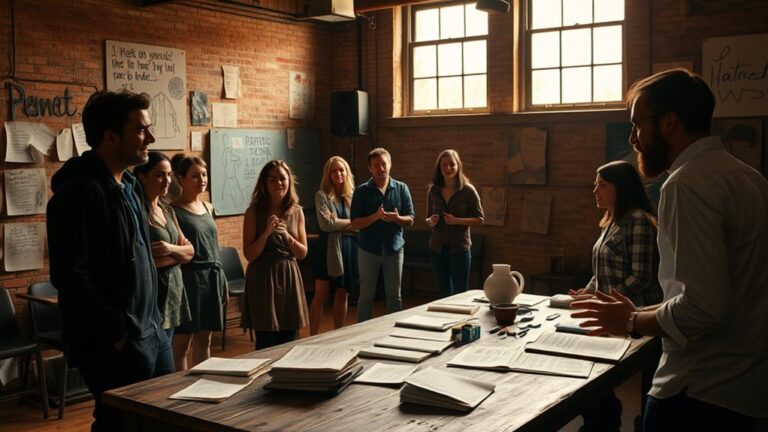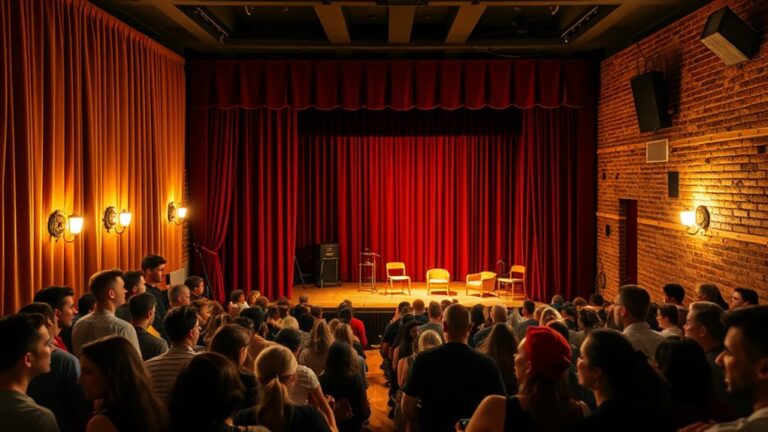
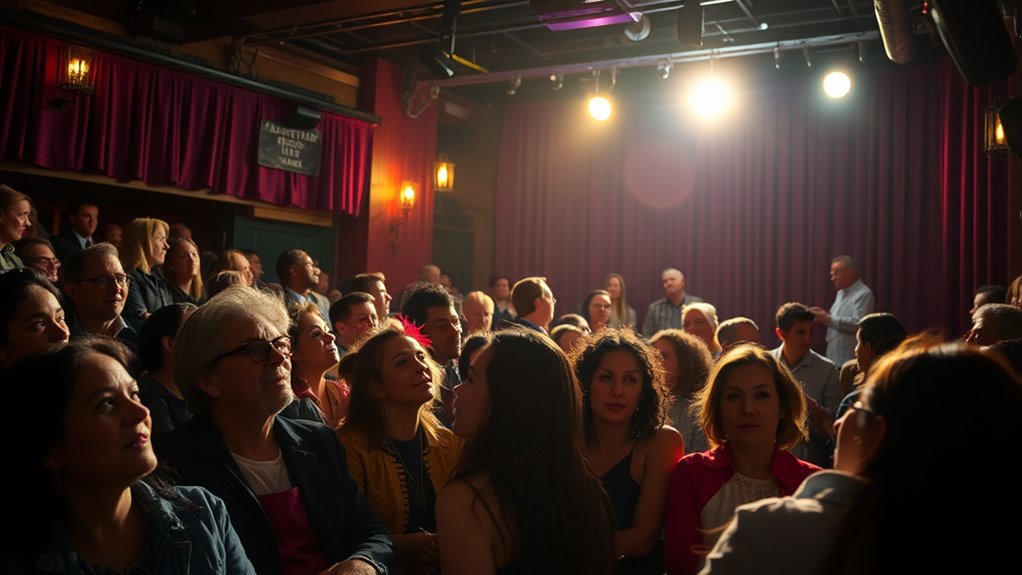
Off-Broadway keeps theater fresh and exciting by nurturing innovative storytelling and diverse perspectives. Its artistic freedom allows for the experimentation of bold narratives, challenging traditional forms and engaging audiences in unique ways. This platform highlights marginalized voices, ensuring representation that resonates with contemporary issues like social justice and identity. By utilizing interactive and immersive techniques, Off-Broadway amplifies emotional connections between performers and audiences. Additionally, community engagement and collaboration among local artists cultivate a rich cultural dialogue. These elements collectively invigorate the theatrical environment, offering a glimpse into the future of performance that continues to evolve and inspire.
History of Off-Broadway
The evolution of Off-Broadway theater represents a significant chapter in the history of American performing arts, characterized by its distinct identity separate from the commercial Broadway scene. Emerging in the late 1950s and early 1960s, Off-Broadway origins can be traced back to a desire for artistic expression that transcended the constraints of mainstream commercial productions. This movement provided a platform for innovative storytelling and diverse narratives, nurturing a more intimate connection between artists and audiences.
The Off-Broadway environment began to flourish as theaters in non-traditional spaces, such as converted churches and schools, became venues for groundbreaking performances. This shift not merely allowed for a more experimental approach to staging but also attracted emerging playwrights, directors, and actors enthusiastic to explore alternative themes and styles. The evolution of Off Broadway was further propelled by the rise of influential works like "The Fantasticks" and "Hair," which challenged societal norms and expanded the possibilities of theatrical expression.
As Off-Broadway continued to evolve, it cultivated a reputation for nurturing new talent and avant-garde productions that often addressed pertinent social issues. The accessibility of Off-Broadway performances, both regarding ticket pricing and location, democratized theater-going, inviting a broader audience to partake in the artistic dialogue. This unique niche not only enriched the cultural fabric of American theater but paved the way for future generations of artists to pursue their creative visions outside the commercial mainstream, solidifying Off-Broadway's enduring legacy in the performing arts.
Unique Artistic Freedom
As mainstream theater often adheres to commercial expectations and formulas, Off-Broadway provides a unique artistic freedom that allows creators to experiment without the same financial pressures. This environment nurtures a culture of innovation, where playwrights, directors, and performers can pursue bold narratives and unconventional forms. The smaller scale of Off-Broadway productions enables a level of artistic autonomy that is often unattainable in larger commercial theaters, where the need for box office success can stifle originality.
In this liberated space, creative experimentation thrives. Artists are encouraged to take risks, explore diverse themes, and challenge societal norms. This willingness to venture into uncharted territory results in works that are not just provocative but also deeply resonant. Off-Broadway serves as a lively laboratory for new ideas, where the boundaries of storytelling can be pushed and redefined.
Furthermore, the intimacy of Off-Broadway venues allows for a stronger connection between the audience and the performers, facilitating an immersive experience that amplifies the impact of innovative works. Audiences are drawn to the authenticity and rawness that Off-Broadway productions often deliver, offering a rejuvenating alternative to the polished spectacles of mainstream theater.
Ultimately, the unique artistic freedom found in Off-Broadway is essential for the evolution of theater. It cultivates an ecosystem where creativity can flourish, ensuring that the art form remains dynamic and relevant in an ever-changing cultural environment. This spirit of exploration is what keeps audiences keenly returning for more.
Diverse Voices and Perspectives
Off-Broadway theater serves as an essential platform for unique storytelling approaches that reflect a multitude of experiences. By prioritizing representation in casting, it amplifies voices often overlooked in mainstream narratives. This commitment not only enhances the theatrical environment but additionally cultivates a deeper comprehension of diverse perspectives.
Unique Storytelling Approaches
How can unique storytelling approaches in theater enrich the audience's experience? Off-Broadway productions often embrace innovative techniques such as immersive narratives and nonlinear storytelling, drawing audiences into complex emotional environments and challenging traditional forms. These methods allow for a more active engagement, inviting viewers to explore multiple perspectives and interpretations as they embark on the narrative.
| Storytelling Approach | Key Characteristics | Audience Impact |
|---|---|---|
| Immersive Narratives | Audience interaction, physical space integration | Deepens emotional connection |
| Nonlinear Storytelling | Fragmented timelines, multiple arcs | Encourages critical thinking |
| Multidisciplinary | Combining various art forms | Expands sensory experience |
| Multimedia Elements | Use of video, sound, and technology | Creates a dynamic atmosphere |
| Cultural Fusion | Blending diverse traditions | Cultivates inclusivity and dialogue |
These artistic choices not just improve the overall aesthetic but also serve to uplift underrepresented voices, enriching the fabric of stories being told. By prioritizing unique storytelling approaches, Off-Broadway continues to push the boundaries of theatrical expression, ensuring that the art form remains both lively and relevant in today's cultural environment.
Representation in Casting
Frequently, representation in casting plays an essential role in shaping the narratives presented on stage. Off-Broadway theaters are at the forefront of embracing inclusive casting practices, ensuring that diverse voices and perspectives are authentically represented. This commitment not only enriches the storytelling but likewise resonates with contemporary audiences who seek authenticity in the characters they see portrayed.
By prioritizing authentic representation, Off-Broadway productions challenge traditional casting norms and pave the way for underrepresented groups to share their stories. This inclusivity invites a broader spectrum of experiences and cultural backgrounds, encouraging a more dynamic theatrical environment. Audiences are increasingly drawn to works that reflect the intricacies of their own realities, making inclusive casting not merely a trend but a necessity for relevance.
Moreover, innovative productions that prioritize diverse casting often spark critical conversations around identity, equity, and representation, thereby amplifying the impact of the theatrical experience. As Off-Broadway continues to champion these values, it remains an essential space for experimentation and exploration, ensuring that theater evolves in tandem with the society it seeks to reflect. In this way, representation in casting becomes a significant catalyst for change in the broader theatrical community.
Experimental Storytelling Techniques
Innovation in storytelling has become a hallmark of contemporary theater, particularly in the domain of experimental techniques. Off-Broadway productions are at the forefront of this movement, showcasing a rich mosaic of narratives that challenge traditional forms and engage audiences in compelling new ways. The integration of immersive experiences is a defining characteristic of these experimental works, inviting spectators to step beyond the proscenium and into the heart of the action. This blurring of boundaries between performer and audience allows for a palpable connection that deepens emotional engagement.
Moreover, nonlinear narratives are increasingly prevalent, offering a rejuvenating departure from conventional storytelling arcs. By dismantling chronological order, these productions encourage viewers to piece together stories in a way that mirrors the complexity of human experience. This method often prompts audiences to reflect on their own interpretations, creating a more profound dialogue between the performance and its observers.
The exploration of diverse themes, coupled with innovative staging and technology, further amplifies the impact of these techniques. Whether through the use of multimedia elements or interactive set designs, Off-Broadway artists are redefining the possibilities of narrative structure and audience involvement. In this lively space, tradition is not merely subverted but reimagined, allowing for a dynamic theater environment where creativity knows no bounds. As experimental storytelling techniques continue to evolve, they challenge us to reconsider the very essence of what theater can be, forging pathways toward a more inclusive and imaginative future.
Role of Emerging Artists
Emerging artists play an essential role in Off-Broadway theater by bringing new voices and perspectives to the forefront of the stage. Their innovative storytelling techniques challenge traditional narratives and enrich the artistic environment. As they explore contemporary themes and diverse experiences, these artists contribute greatly to the evolution of the theater community.
New Voices, New Perspectives
In the spirited world of Off-Broadway theater, the contributions of emerging artists are reshaping narratives and broadening the boundaries of traditional storytelling. Emerging playwrights are at the forefront of this transformative movement, infusing the stage with fresh ideas and unfiltered perspectives. Their work often highlights marginalized narratives that have historically been sidelined in mainstream theater, giving voice to communities and experiences that resonate with a diverse audience.
Through innovative character development and compelling plots, these artists challenge conventional norms and invite audiences to engage with complex themes. The intimacy of Off-Broadway venues allows for experimentation, enabling playwrights to explore new formats and styles that reflect the intricacies of contemporary society. This environment encourages collaboration among emerging talent, as directors, actors, and designers come together to create dynamic productions that are both thought-provoking and entertaining.
As these new voices emerge, they not only enrich the theatrical environment but also inspire established artists to rethink their approaches. The lively exchange of ideas cultivates a culture of creativity, ensuring that Off-Broadway remains a crucial space for artistic exploration and innovation. In this way, the contributions of emerging artists are fundamental to keeping theater fresh and exciting.
Innovative Storytelling Techniques
The terrain of Off-Broadway theater is witnessing a surge of creativity, as new artists utilize innovative storytelling techniques to engage audiences in unprecedented ways. By embracing immersive experiences and nonlinear narratives, these artists are redefining the boundaries of traditional theater.
Emerging talents are not just breaking the fourth wall but are additionally crafting environments that invite spectators to become part of the narrative. Techniques that enhance the experience include:
- Interactive Set Designs: Audiences navigate the space, creating personal connections with the story.
- Multimedia Integrations: The use of video projections and soundscapes improves emotional resonance.
- Nonlinear Timelines: Stories unfold in fragmented sequences, challenging viewers to piece together narratives.
- Character Engagement: Performers interact directly with the audience, blurring the line between actor and spectator.
- Site-Specific Productions: Utilizing unconventional venues, artists immerse audiences in thematic settings.
These storytelling innovations not only captivate but also provoke thought, inviting audiences to explore complex themes in a dynamic way. In this lively setting, Off-Broadway continues to thrive as a crucible for artistic experimentation, ensuring its relevance in the constantly changing world of theater.
Established Playwrights' Innovations
Established playwrights continue to push the boundaries of Off-Broadway theater, infusing their works with innovative storytelling techniques and fresh perspectives. These seasoned creators are not satisfied with traditional narratives; instead, they explore innovative narratives that challenge conventions and engage audiences in new ways. By integrating multimedia elements, non-linear timelines, and immersive environments, established playwrights create experiences that resonate deeply with contemporary viewers.
One notable trend is the blending of genres, where established playwrights experiment with combining elements of drama, comedy, and even digital art to forge unique theatrical settings. This hybrid approach allows for complex character development and multifaceted themes that reflect the nuances of modern life. In addition, the incorporation of diverse cultural influences enriches the narrative fabric, guaranteeing that the stories told are as varied as the audiences they seek to captivate.
The commitment of established playwrights to innovate within the Off-Broadway space not just breathes new life into the art form but also challenges emerging writers to enhance their craft. By setting high standards and exploring uncharted territories, these playwrights redefine what theater can be, inspiring a new generation of creators to take risks and explore their own innovative narratives.
Ultimately, the work of established playwrights serves as a proof of the energy of Off-Broadway theater, proving that innovation is not merely an option but a necessity for the evolution of the medium. Their bold experiments guarantee that the stage remains a dynamic platform for storytelling that continually excites and engages audiences.
Audience Engagement Strategies
Engagement in Off-Broadway theater has evolved into a multifaceted endeavor that seeks to forge meaningful connections between productions and audiences. The emphasis on audience engagement has transformed the theater-going experience, making it not just a passive viewing but an interactive expedition. This evolution is particularly evident through innovative strategies that invite participation and nurture a sense of community among attendees.
Key audience engagement strategies include:
- Interactive Performances: These productions invite audience members to influence the narrative, creating a unique experience each night.
- Audience Workshops: Engaging workshops before or after performances allow attendees to explore deeper into the themes and techniques of the play, enhancing their comprehension and appreciation.
- Talkbacks with Creators: Post-show discussions with playwrights, directors, or cast members offer insight into the creative process and invite questions, generating a dialogue that enriches the experience.
- Social Media Integration: Utilizing platforms like Instagram and Twitter, theaters actively involve audiences in pre- and post-show conversations, creating a digital community that extends beyond the theater walls.
- Themed Events: Special performances or events that align with current cultural trends or themes resonate with audiences, making them feel more connected to the narrative and each other.
Cultural Relevance and Reflection
Off-Broadway theater serves as a compelling platform for cultural relevance and reflection, often immersing into contemporary societal issues and personal narratives that resonate with diverse audiences. This unique space nurtures innovative storytelling that acts as a societal mirror, shedding light on matters that may be overlooked or underrepresented in mainstream media. By tackling themes such as identity, social justice, and inequality, Off-Broadway productions offer profound cultural commentary that invites audiences to engage with pressing issues in an intimate setting.
To illustrate the impact of Off-Broadway on cultural relevance, consider the following table:
| Aspect | Off-Broadway | Mainstream Theater |
|---|---|---|
| Focus | Niche and diverse narratives | Broad appeal and commercial viability |
| Themes Explored | Social justice, identity, and personal struggle | Traditional and classic themes |
| Audience Engagement | Interactive and immersive experiences | Passive consumption |
Through this framework, Off-Broadway continues to challenge conventions, providing a platform for voices that reflect the intricacies of modern life. The intimate nature of these productions cultivates a deeper connection between the audience and the stories being told, amplifying the relevance of the cultural commentary presented. Consequently, Off-Broadway theater entertains while provoking thought and conversation, making it a crucial component of the lively cultural milieu.
Community and Collaboration
Off-Broadway theater thrives on the active participation of local artists, cultivating a lively ecosystem of creativity and innovation. This collaborative environment not just improves grassroots networking opportunities but additionally guarantees that diverse voices are represented on stage. As a result, these productions become a true reflection of the community's rich cultural mosaic.
Local Artist Involvement
Within the lively scenery of Off-Broadway theater, local artists play a pivotal role in nurturing community and collaboration. Their involvement not just amplifies the cultural fabric of the area but likewise cultivates an environment ripe for innovation. By engaging local artists, Off-Broadway creates a dynamic exchange of ideas that invigorates the theater scene and improves audience experiences.
Key aspects of local artist collaborations and community engagement include:
- Diverse Perspectives: Local artists bring unique viewpoints that reflect the community's ethos.
- Resource Sharing: Collaborations often involve sharing skills and resources, amplifying the impact of each project.
- Networking Opportunities: Artists connect with one another, facilitating future projects and partnerships.
- Audience Connection: Works created by local talent resonate deeply with community members, nurturing loyalty and attendance.
- Cultural Relevance: Local artists often tackle contemporary issues, ensuring that productions remain timely and engaging.
In utilizing the creativity of local artists, Off-Broadway theater not just supports individual artistic growth but also cultivates a colorful community that thrives on collaboration and shared experiences.
Grassroots Networking Opportunities
Numerous grassroots networking opportunities emerge within the Off-Broadway theater scene, nurturing collaboration and connection among artists and community members alike. These initiatives serve as essential conduits for community outreach and audience engagement, promoting creative partnerships that enrich the theatrical environment.
The following table outlines key grassroots networking opportunities that strengthen collaboration in the Off-Broadway community:
| Type of Initiative | Purpose | Platforms/Events |
|---|---|---|
| Networking Events | Facilitate local connections | Monthly meet-ups, workshops |
| Artist Showcases | Highlight emerging talent | Open mic nights, showcases |
| Theater Festivals | Promote collaborative projects | Annual festival events |
| Social Media Platforms | improve visibility and outreach | Facebook groups, Instagram |
Through these grassroots initiatives, artists can form invaluable connections, share resources, and engage with their audience in dynamic ways. The emphasis on collaborative projects not just uplifts individual artists but creates a lively community atmosphere. By leveraging local connections, Off-Broadway theater continues to innovate and thrive, ensuring fresh and exciting experiences for both creators and audiences alike.
Diverse Voices Represented
The Off-Broadway theater scene serves as a lively platform for a multitude of voices, reflecting the diverse fabric of the communities it represents. This colorful environment cultivates innovative artistic expressions that celebrate intersectional narratives and cultural storytelling. By providing a space for underrepresented artists, Off-Broadway enables fresh perspectives that challenge conventional narratives and engage audiences in new ways.
Key aspects of this diverse representation include:
- Cultural Diversity: Showcasing stories from various ethnic backgrounds and traditions.
- Gender Inclusivity: Amplifying the voices of women and non-binary playwrights and performers.
- LGBTQ+ Representation: Highlighting queer stories and experiences that resonate with diverse audiences.
- Socioeconomic Perspectives: Addressing the struggles and triumphs of various economic backgrounds.
- Interdisciplinary Collaborations: Merging theater with visual arts, music, and technology to expand storytelling methods.
Through these elements, Off-Broadway continues to push artistic boundaries, ensuring that every production contributes to a richer, more inclusive narrative arena. The commitment to diverse voices not only enriches the theatrical experience but also promotes community engagement and comprehension, making theater a dynamic reflection of contemporary society.
Off-Broadway's Impact on Broadway
Off-Broadway has greatly influenced the atmosphere of Broadway, introducing innovative storytelling and diverse voices that have redefined theatrical norms. The dynamic interplay between these two theatrical domains has catalyzed a Broadway evolution that embraces fresh narratives and experimental forms. Off-Broadway serves as a testing ground for new works, allowing artists the freedom to explore unconventional themes and structures without the commercial pressures often associated with larger productions.
The impact of Off-Broadway influences is evident in the growing trend of incorporating non-linear storytelling, immersive experiences, and cross-genre collaborations within Broadway productions. Works that originated in Off-Broadway venues have frequently made their way to the Great White Way, bringing with them a sense of authenticity and originality that captivates audiences. For example, shows such as "Hamilton" and "Rent" showcase how Off-Broadway's inventive spirit can resonate on a grand scale, prompting Broadway to adopt more inclusive casting and narrative approaches.
Moreover, Off-Broadway's commitment to representing a mosaic of voices has encouraged Broadway to reconsider its own programming. As the audience becomes increasingly diverse, the demand for stories that reflect a wider spectrum of experiences has prompted Broadway to evolve in ways that resonate with contemporary society. This symbiotic relationship between Off-Broadway and Broadway not just revitalizes the theatrical environment but also guarantees that the medium remains relevant, engaging, and reflective of the world we inhabit. Essentially, Off-Broadway is not merely a precursor to Broadway; it is a vital contributor to its ongoing evolution.
Future Trends in Off-Broadway
How will Off-Broadway continue to innovate in a constantly changing theatrical environment? As audiences become more discerning and technology evolves, Off-Broadway theaters are poised to embrace future trends that will redefine the theatrical experience. The focus will increasingly shift to creating immersive experiences that engage spectators in unprecedented ways. This evolution may encompass:
- Interactive storytelling: Audiences may influence plot directions or character decisions, nurturing deeper emotional connections.
- Digital collaborations: Partnerships with tech companies could improve productions through augmented reality (AR) and virtual reality (VR), making shows more accessible and engaging.
- Diverse programming: Off-Broadway will likely continue to champion underrepresented voices, bringing forth stories that resonate with a broader audience.
- Hybrid performances: Blending traditional theater with film or digital media will provide unique experiences that captivate modern spectators.
- Community engagement: Increased focus on local collaborations will create theater that reflects the community's identity and concerns.
These trends will not just improve viewer engagement but will additionally allow Off-Broadway to maintain its reputation as a breeding ground for innovation. By prioritizing immersive experiences and leveraging digital collaborations, Off-Broadway can adapt to the ever-changing environment of performance art. As theaters explore new methodologies and technologies, they will continue to push boundaries, ensuring that Off-Broadway remains a crucial and dynamic component of the theatrical ecosystem. The future is bright for this lively segment, promising exciting possibilities for both creators and audiences alike.
Frequently Asked Questions
What Are the Ticket Prices for Off-Broadway Shows?
Ticket prices for Off-Broadway shows typically range from affordable options to premium experiences, offering a diverse spectrum for theater enthusiasts. Many productions provide ticket discounts for students, seniors, and groups, further enhancing accessibility. This pricing strategy not only draws a broad audience but additionally nurtures a lively cultural environment. By prioritizing affordability alongside artistic innovation, Off-Broadway continues to engage and inspire, ensuring that quality theater remains within reach for all.
How Do I Find Off-Broadway Performances in My Area?
To discover off-Broadway performances in your area, explore local listings and theater websites that specialize in showcasing innovative productions. Many cities have dedicated platforms or apps that curate a schedule of upcoming shows, providing crucial details such as ticket prices and venue locations. Furthermore, following local theaters on social media can offer real-time updates and exclusive announcements, ensuring you remain informed about the diverse and creative offerings within the off-Broadway scene.
Are Off-Broadway Shows Family-Friendly?
Envision a kaleidoscope of lively stories, where each turn reveals a new narrative bursting with family themes that captivate audiences of all ages. Off-Broadway productions often prioritize audience engagement, weaving relatable experiences into their performances. Although not all shows cater especially to families, many present innovative, heartwarming tales suitable for children and adults alike. Consequently, discerning families can discover a treasure trove of enriching theatrical experiences that ignite imagination and nurture connection.
Can I Volunteer or Intern With Off-Broadway Theaters?
Yes, many Off-Broadway theaters offer internship opportunities and volunteer experiences for individuals passionate about theater. These positions provide valuable hands-on experience in various aspects of production, marketing, and administrative support. Engaging with innovative theater companies allows participants to contribute to creative projects during encouraging professional growth. Interested individuals should reach out directly to local Off-Broadway venues or check their websites for specific openings and application guidelines to explore these enriching opportunities.
What Should I Expect From an Off-Broadway Experience?
Expect an enriching experience that emphasizes immersive storytelling and dynamic audience engagement. Off-Broadway productions often challenge traditional narratives, inviting you to explore innovative themes and unique artistic expressions. The intimate settings cultivate a closer connection between performers and the audience, enhancing the overall impact of the performance. This environment encourages creative collaboration and experimentation, ensuring that both participants and spectators are part of an evolving theatrical panorama that prioritizes innovation and fresh perspectives.
About the Author